
Our core business · Part 91
Aircraft dry leasing, done right.
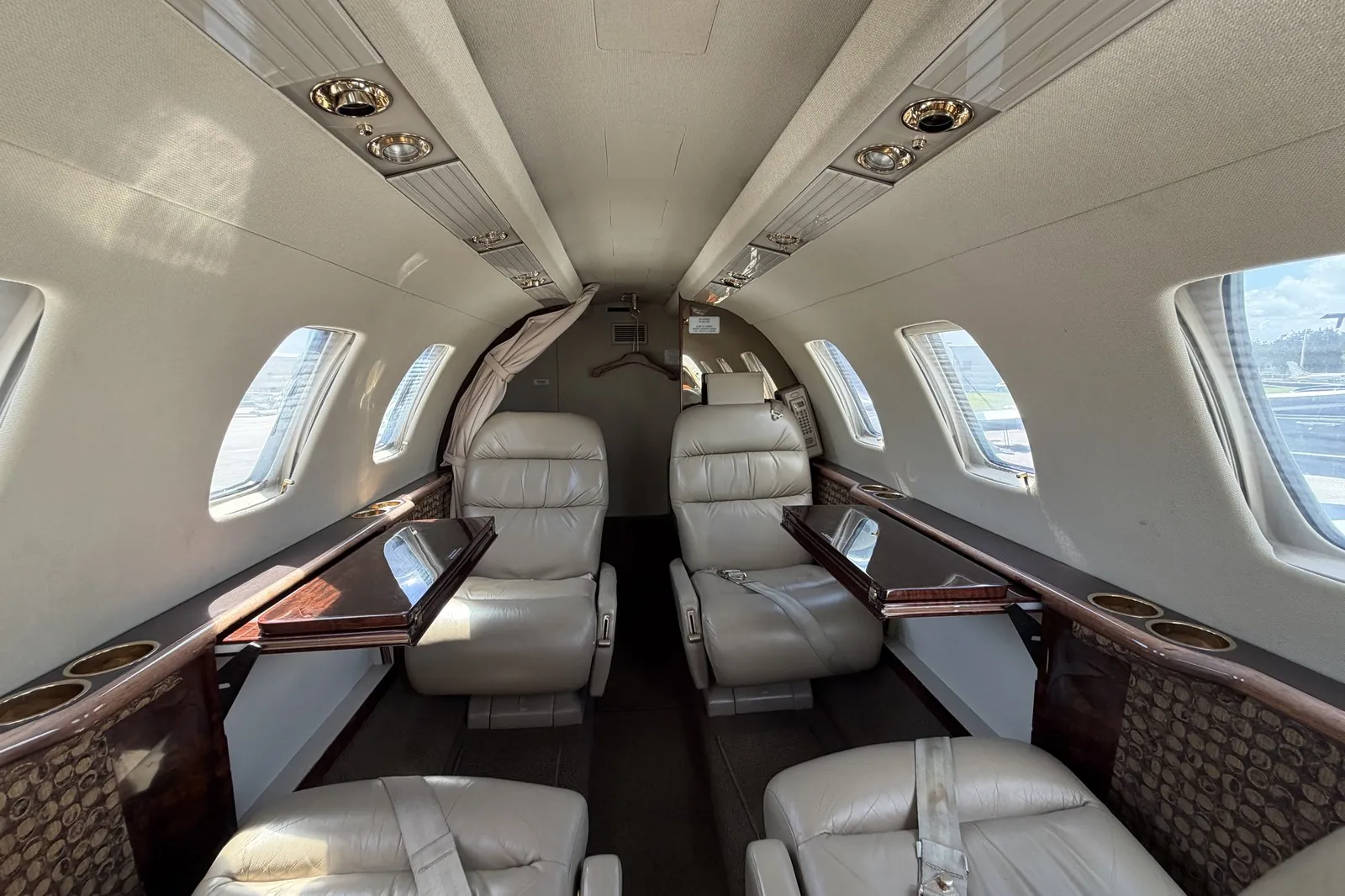
A dry lease is simple: we lease you the aircraft, you supply the crew and hold operational control. Same jet you’d charter — priced at direct costs instead of a retail rate sheet. Think of it like a rental car with wings: we hand you the keys; you do the driving. The aircraft is hangared at LNA and available for dry lease now.
Simple to start
Three steps and you’re flying
Dry leasing sounds technical, but getting started isn’t — and you deal directly with the owners the whole way.
Tell us your mission
Routes, hours per year, and timing. We’ll come back the same day with real numbers — block or pay-as-you-go.
Sign a clean dry lease
Straightforward, truth-in-leasing compliant paperwork on flexible terms. No broker in between.
Crew it and fly
You bring a pilot you choose, hire, and pay directly — we can share a list of independent pilots — and the jet flies on your schedule for the term.
What the lease covers
- ✓The aircraft — inspection-fresh, hangared at LNA
- ✓Scheduled maintenance and airworthiness upkeep
- ✓Truth-in-leasing compliant documentation
- ✓Flexible terms — block hours (good 12 months, 25-hr minimum) or pay-as-you-go
- ✓Owner-direct answers, same business day
What you bring
- →Your crew — a pilot you choose, hire, and pay directly (we can share a list of independent pilots)
- →Fuel — at CAA member contract pricing at CAA Preferred FBOs, where available
- →Insurance naming you as operator
- →Trip costs — landing, handling, catering, overnight hangar
- →Operational control of every flight, under Part 91
What if I want out? Pay-as-you-go carries no commitment. On a block, the prepayment is the only committed money — hours are good for 12 months.
Who it fits
Built for people who already fly private
If you charter 15+ hours a year, you already know the rates — and the availability games. A dry lease gives you the same aircraft at direct cost, with none of the markup and no fleet roulette.
It’s a proven structure for frequent charter customers, businesses that would rather not own, owners between aircraft, and owner-pilots building 525 time.
Flying 50 hours a year? The estimator shows what that’s worth annually — most people are surprised.
See the annual mathInterim lift
Aircraft down? Bridge the gap.
Your aircraft is in the shop — or sold, with the next one months out. A short dry lease keeps your calendar intact in the meantime: flexible one-to-few-month terms, flown by your crew, under your operational control.
This is the audience we can start with fastest. The paperwork can be at your counsel’s desk this week, and your pilot can position the jet to any Florida airport — at your cost, under your lease.
Call about interim terms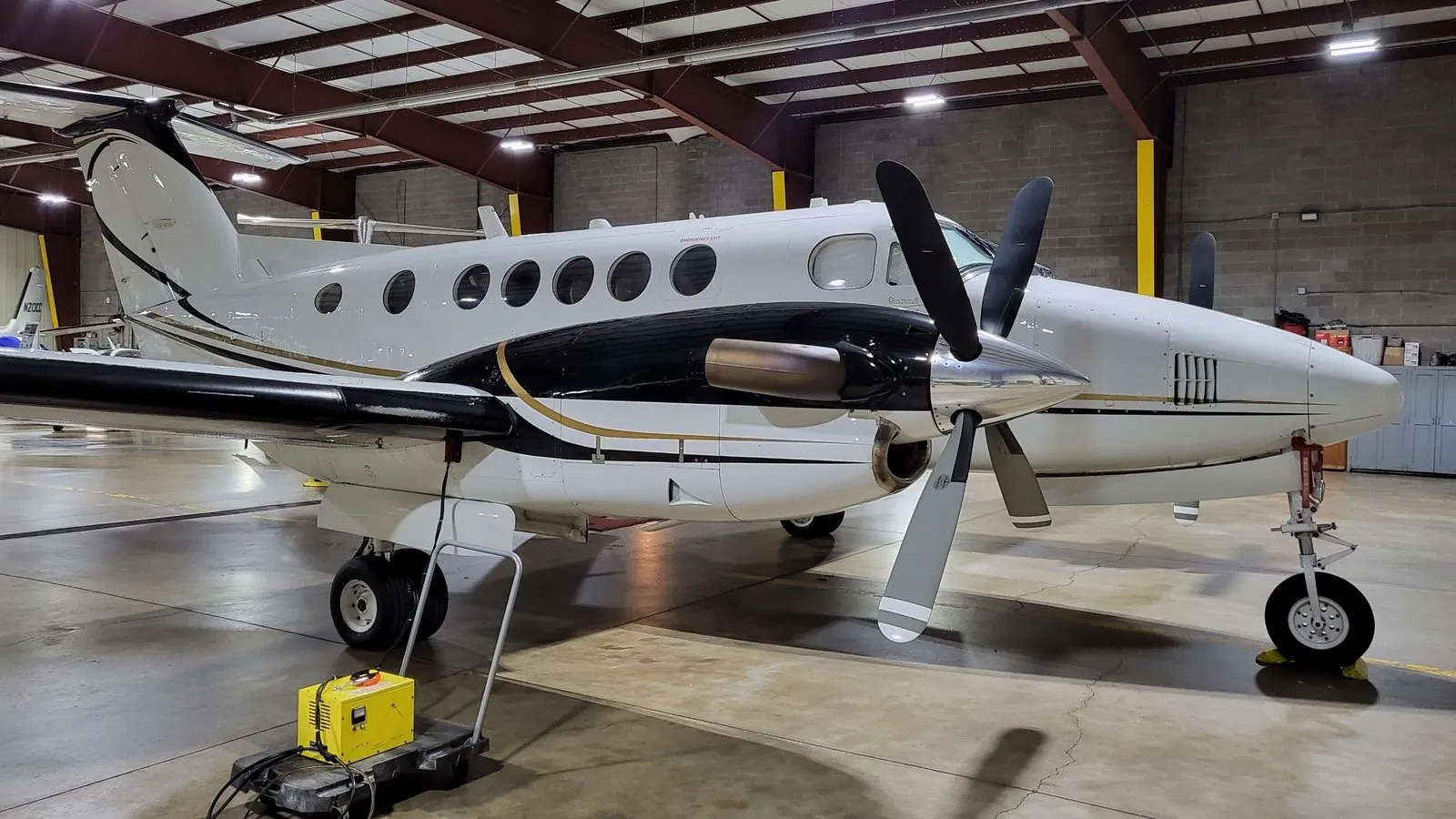
Who it works for
Who dry leases with us
Owners between aircraft
Sold the last one, the next one’s months out. A short lease keeps you flying — and your crew moves right over.
Businesses that would rather not own
Jet access at direct costs — no depreciation on the balance sheet, no crew on payroll. Your pilot, your operational control.
Families who fly private
Six club seats to the places you already go — flown by a pilot you choose, hire, and pay directly.
Frequent charter customers
If you charter 15+ hours a year, you know the retail rates. Same aircraft, direct costs, no markup in the middle.
Owner-pilots building CE-525 time
The CJ1 is single-pilot certified. Fly it yourself where your insurance allows and log time in a well-kept airframe.
Buyer beware
Signs a “dry lease” isn’t one.
The FAA actively polices sham dry leases — charter in disguise. Whoever you lease from, walk away when you see:
- ✕The lessor supplies or picks your pilot — a real dry lease never comes with crew
- ✕One bundled hourly price “including crew”
- ✕Per-seat pricing — that’s selling air transportation, not leasing an aircraft
- ✕“We handle everything” — then you don’t hold operational control
- ✕No written truth-in-leasing language in the paperwork
Knowing where the lines are is exactly what keeps your operation compliant — and it’s why our paperwork holds up.
Clear boundaries · the legitimate one
A dry-lease company — not a charter operator.
We lease aircraft; we don’t sell flights. You crew the aircraft and hold operational control under Part 91. We hold no Part 135 certificate, don’t provide your pilots, and don’t schedule your trips. The FAA actively polices sham dry leases — knowing exactly where we stop is what keeps your operation compliant, and it’s why our paperwork holds up.
Need a flown-for-you trip instead? That’s a charter — we’ll gladly point you to a certificated Part 135 operator.
Straight answers
Questions everyone asks
What will a trip actually cost me?
Is this legal? It sounds too good.
Do I have to be a pilot?
How do block hours work?
Will the jet actually be available when I want it?
What does insurance look like?
Can I take it to the Bahamas or the Caribbean?
Who handles maintenance?
Aircraft down for maintenance, or between airplanes? A short interim lease is one of the most natural ways to start with us — call and we’ll talk timing. More questions? The full FAQ covers operational control, paperwork, and the rest.
Send your routes — get lease pricing.
Real numbers for your actual missions — block or pay-as-you-go, same business day.
Ten minutes with an owner beats an hour of reading.
Call or text with your routes — we’ll walk the structure, the numbers, and whether it’s actually a fit.